DOE Genesis Mission Collaboration
Multi-Office Accelerator Team (MOAT) Collaboration
Advancing AI-assisted tools and shared infrastructure for particle accelerators.
Created in 2025 as part of the U.S. Department of Energy Genesis Mission, MOAT brings together laboratories and collaborators to coordinate AI work for particle accelerators and build a shared technical ecosystem across facilities and use cases.
7
Founding national labs
2025
Launch year
AI + Ops
Design, operations, and shared tooling
01
Introduction
MOAT's origin, purpose, and long-term direction.
02
Participants
Founding laboratories and the collaboration's expected growth.
03
How To Get Involved
How prospective collaborators can participate as MOAT develops.
04
AI-Enabled Ecosystem
Shared platforms, benchmarks, and emerging technical directions for AI-enabled accelerator collaboration.
Introduction
MOAT's origin, purpose, and long-term direction.
What Is MOAT?
The Multi-Office Accelerator Team (MOAT) Collaboration was created in 2025 as part of the U.S. Department of Energy Genesis Mission. It began as a seed effort within the Genesis Mission’s Transformational AI Model Consortium, bringing together seven national laboratories to coordinate AI work for particle accelerators.
MOAT provides a shared framework for linking institutions, technical efforts, and emerging tools across the accelerator community. It is intended to support coordination, reuse, and joint progress in areas where AI can strengthen accelerator science, engineering, operations, and workforce development.
The collaboration is grounded in the idea that the accelerator ecosystem should not be approached as a set of isolated efforts. Instead, MOAT aims to connect facilities, data, software, workflows, and expert knowledge across the DOE complex so that progress in one area can support progress in others. This shared approach can help reduce duplication, accelerate deployment, and create stronger foundations for AI-assisted work across design, operations, innovation, and training.
Vision
MOAT is building toward a durable collaboration model that connects laboratories, researchers, software efforts, and future partners around shared goals for AI-assisted accelerator work. In the near term, the collaboration aims to align proposals, technical priorities, and shared capabilities. Over time, it can lower barriers to collaboration and strengthen a national ecosystem for AI-enabled accelerator research and development.
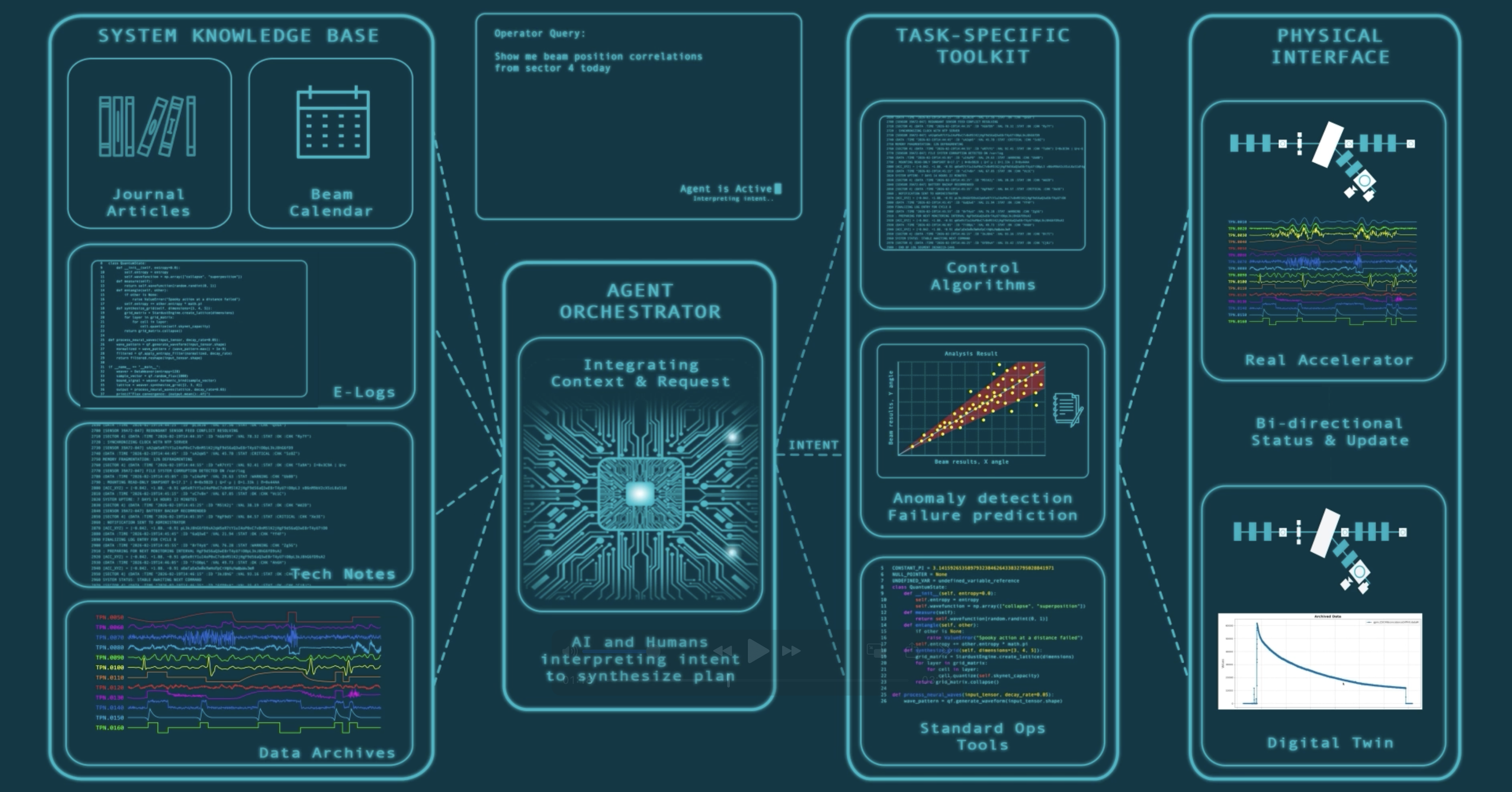
That vision includes AI systems that can synthesize fragmented information, support human decision-making, link to simulation and control tools, and improve through shared infrastructure, common interfaces, and expert feedback. The goal is not only to add new tools, but to make accelerator knowledge and technical capability easier to share, compare, and extend across facilities and use cases.
Participants
Founding laboratories and the collaboration's expected growth.
Current Collaboration Footprint
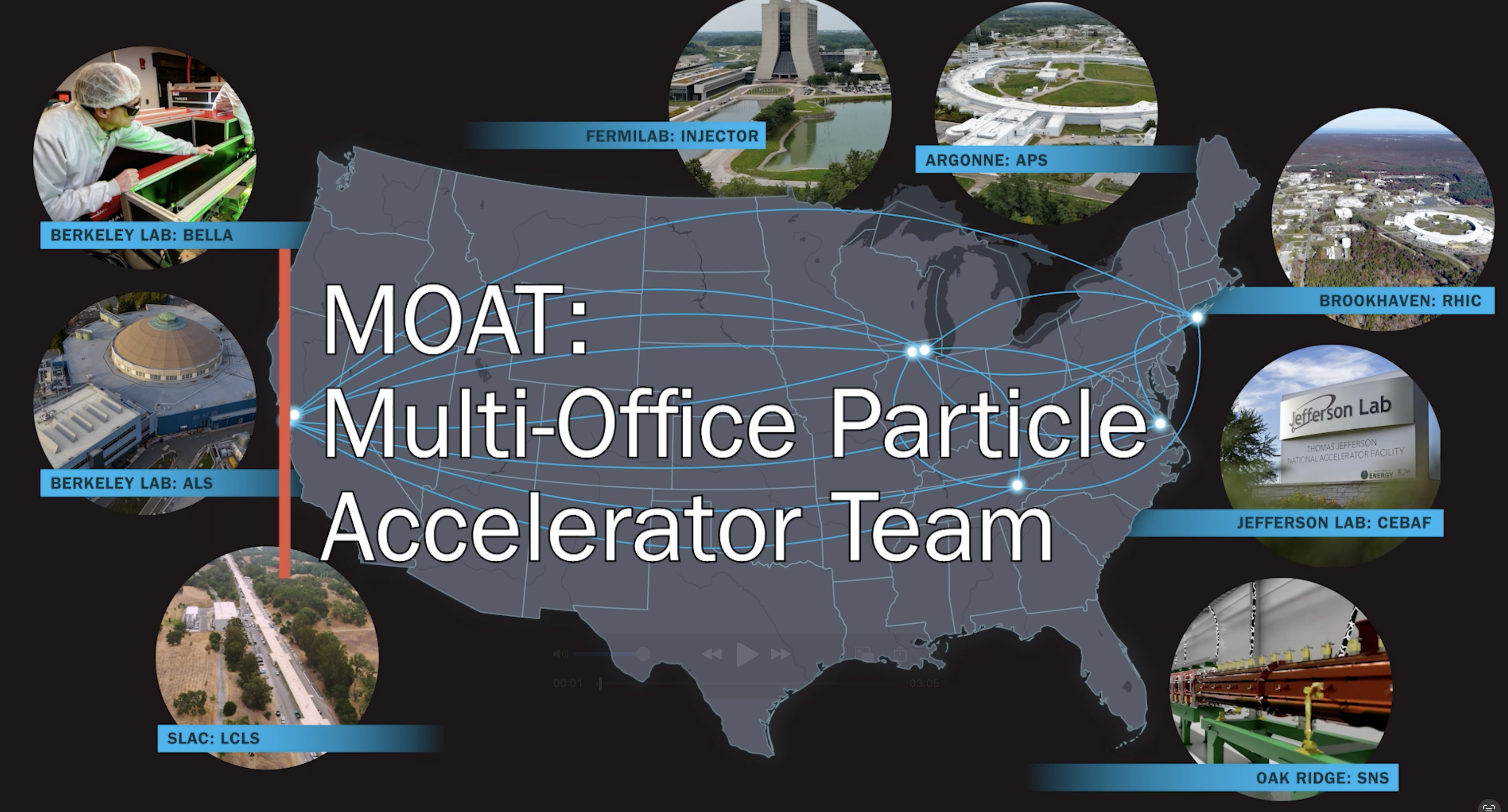
MOAT began with participation from seven national laboratories:
- Lawrence Berkeley National Laboratory (LBNL)
- Argonne National Laboratory (ANL)
- Brookhaven National Laboratory (BNL)
- Fermi National Accelerator Laboratory (FNAL)
- Thomas Jefferson National Accelerator Facility (JLAB)
- Oak Ridge National Laboratory (ORNL)
- SLAC National Accelerator Laboratory (SLAC)
This founding group provides MOAT’s initial base for coordination, shared planning, and technical alignment within the Genesis Mission context. Over time, the collaboration is expected to expand through additional participation from other national laboratories, academia, and industry.
How To Get Involved
How prospective collaborators can participate as MOAT develops.
Ways To Participate
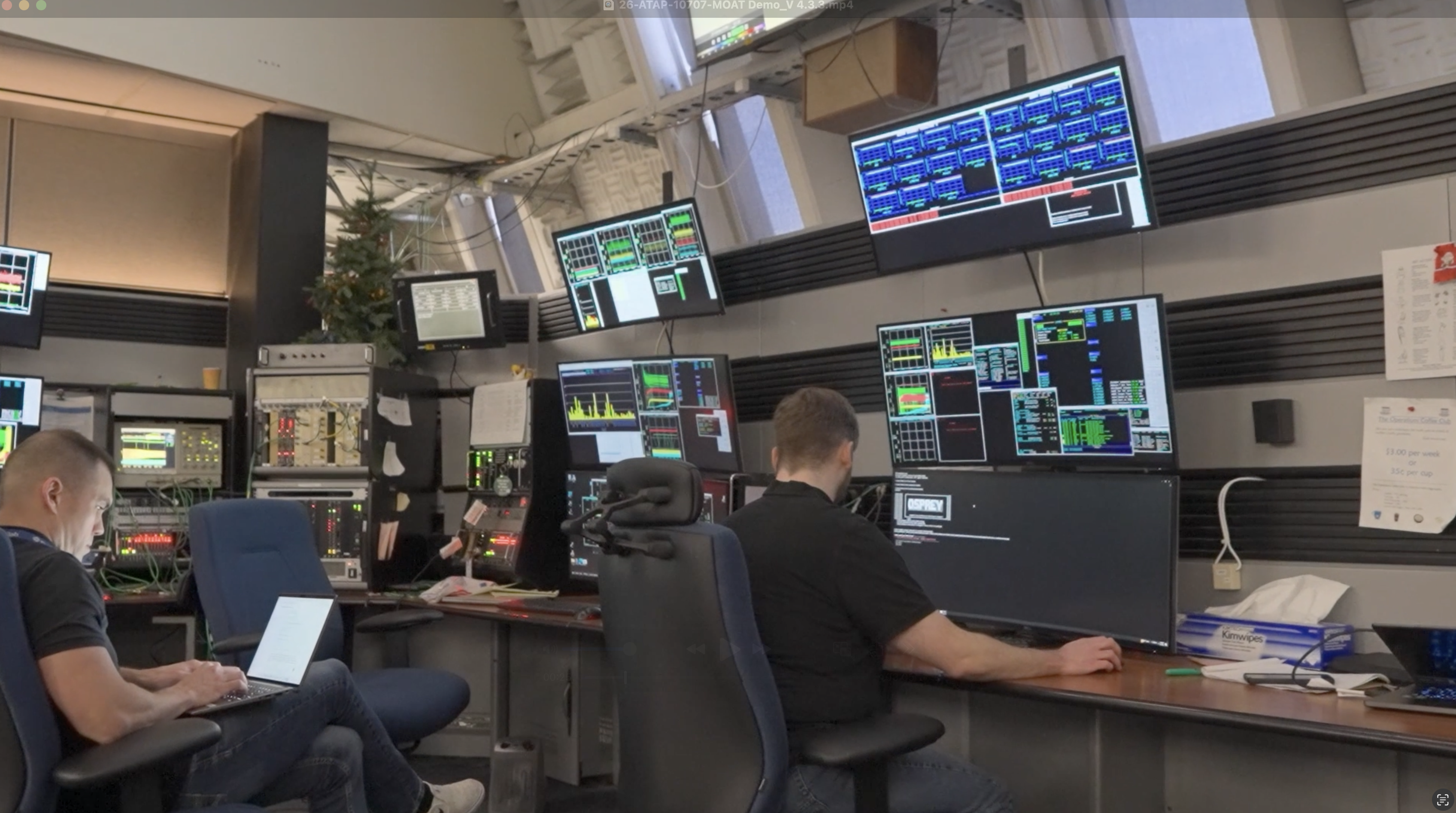
Participation in the MOAT collaboration is voluntary. MOAT is intended to provide an open coordination space for organizations and contributors who want to help shape AI work for particle accelerators.
Potential participants may contribute technical ideas, join collaborative discussions, help develop shared tools and workflows, or align proposal and demonstration efforts with the broader MOAT vision. The collaboration is especially relevant for groups interested in reusable infrastructure, cross-facility learning, and practical AI applications for accelerator design, operations, and innovation. As MOAT matures, additional participation pathways and public contact points may be added here.
AI-Enabled Ecosystem
Shared platforms, benchmarks, and emerging technical directions for AI-enabled accelerator collaboration.
Scope
The MOAT collaboration is helping shape an AI-enabled ecosystem for particle accelerators built around shared experimentation, reusable tools, and stronger coordination across institutions. As this ecosystem takes shape, it should become easier to develop, compare, and apply AI-assisted approaches across accelerator use cases rather than rebuilding similar capabilities in isolation.
Core Elements
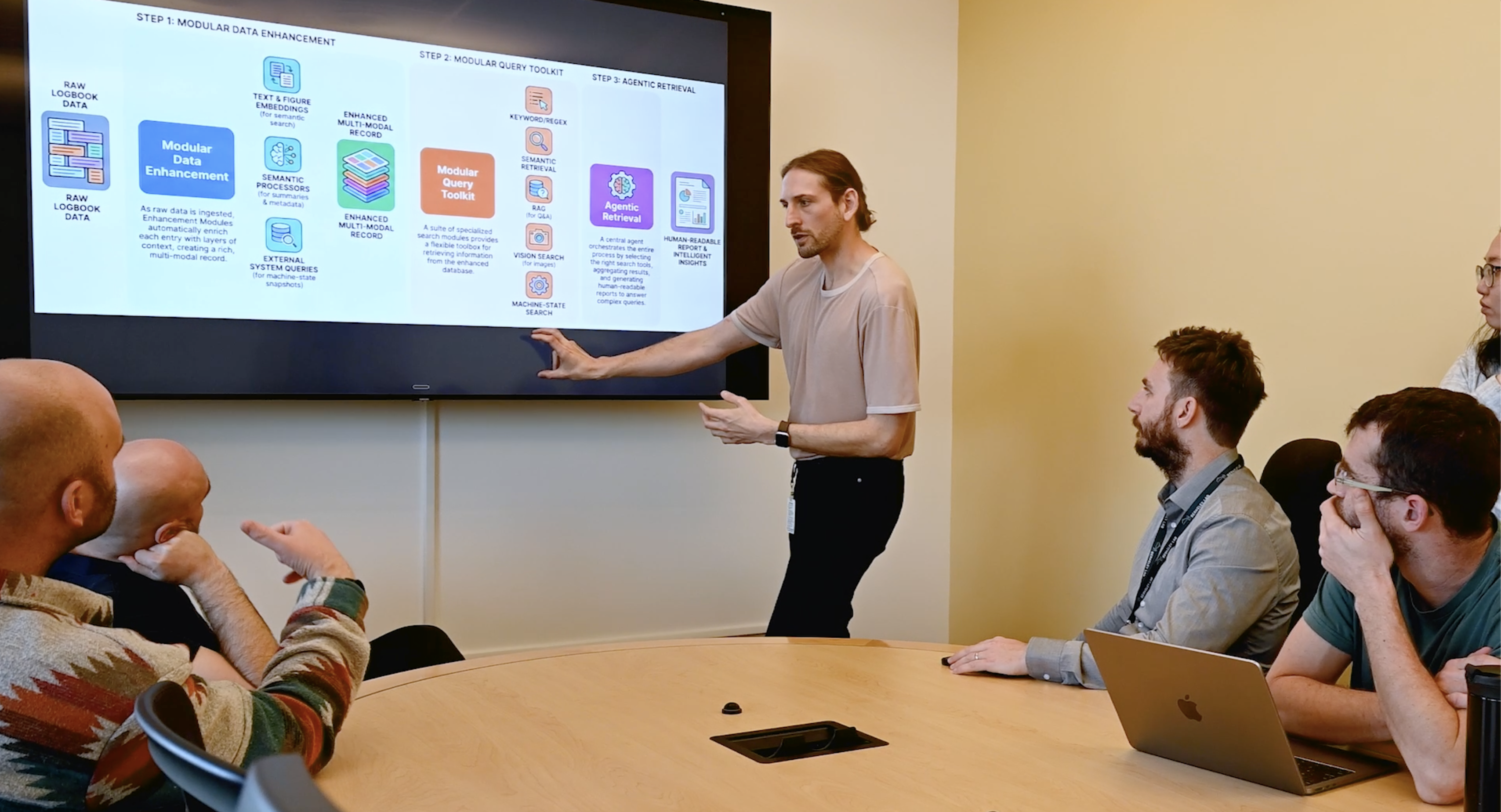
- Agentic platforms: including efforts such as Osprey that support scientific and technical workflows.
- Virtual accelerators and digital twins: shared environments for modeling, testing, and demonstration.
- Marketplaces and benchmarks: common spaces for comparing models, skills, workflows, codes, and related assets.
- Shared interfaces and tooling: more standardized ways to connect tools, teams, and technical components across the ecosystem.
Together, these elements are intended to support work across accelerator design, operations, innovation, and training. They can help teams connect natural-language interfaces, retrieval systems, simulation tools, operational data, and control workflows in ways that are more reusable across facilities and easier to evaluate against shared benchmarks and demonstrations.
These elements describe the collaboration’s technical direction rather than a finished product stack. As MOAT evolves, this section can expand to highlight concrete repositories, services, benchmarks, demonstrations, and shared components that can be adopted across facilities without being tied to a single machine or program.